

DesignShifts is a community, experimental lab, and learning platform where we research and practice non-extractive design methods for times of systemic transition.
We help organizations and individuals move away from traditional design and capitalistic paradigms, the ones focused on efficiency, individual consumption, and product output. Instead, we work together to make design a force for healing, equity, and collective wellbeing.
That means uncovering root causes and systems first, then designing for shared ownership, justice, and relationship. Systems over symptoms. Collectives over individuals. Flourishing over growth.
Our community brings together designers, strategists, founders, policy innovators, researchers, artists, climate practitioners, students, citizens, and more. What connects them is not their role, but a shared intuition: The old model is breaking. The next one is not yet formed. Together, we work in this transition — building the practices we need now.
The work centers on design but touches many fields and topics such as: ethical AI, degrowth economies, local resilience, innovation beyond venture logic, climate adaptation, harm and power in design systems, ecology, anthropology, social science, economics, culture, inclusion, and more. These explorations are guided by seven interconnected dimensions that reimagine our relationship to meaning, change, systems, power, nature, relationships, and purpose.
Our work happens across three connected spaces, each feeding the others:

Theory: Learning through research and reflections
DesignShifts started with small provocations, asking big questions. Now we're expanding by exploring the ideas, frameworks, and critical perspectives in more depth.

Practice: Collaborative design spaces.
We host courses, events, and intimate community practice sessions where we explore shifting together exploring how we can shift beyond the current systems

Making: Experiments & real-world projects
Through The Making Lab we partner with individuals, organizations, and communities to create regenerative solutions and test our frameworks in practice.
Why this, why now?
We are living through a period of planetary instability. Climate disruption, economic transition, technological acceleration, and social fragmentation are reshaping the conditions of life. The systems that organize our economies, technologies, and institutions were built for perpetual growth.
Modern design and business practice has been structurally aligned with extractive growth systems. It has optimized for scale, speed, efficiency, and profit, often without accounting for ecological cost, power dynamics, or long-term consequence. We cannot meaningfully respond to planetary transition without rethinking how and what we make.
Across sectors, many practitioners recognize that current systems are not sustainable. Yet they often lack practical tools, language, and structured support to translate their values into action.
DesignShifts responds to this gap by developing accessible frameworks, learning spaces, and applied tools that help people question dominant assumptions, navigate complexity, and design for long-term ecological and social wellbeing.
The vision is to move design from a tool that contributes to division, destruction, and isolation to a practice that unites, rebuilds, and reconnects us to our inner selves, each other, and nature.
Explore all DesignShifts

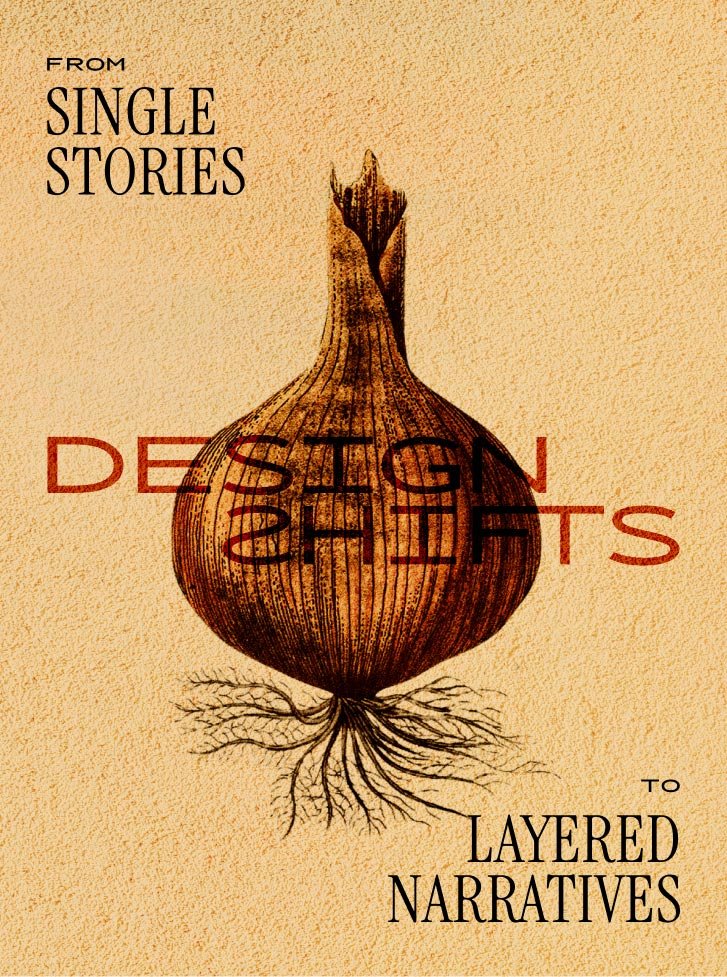
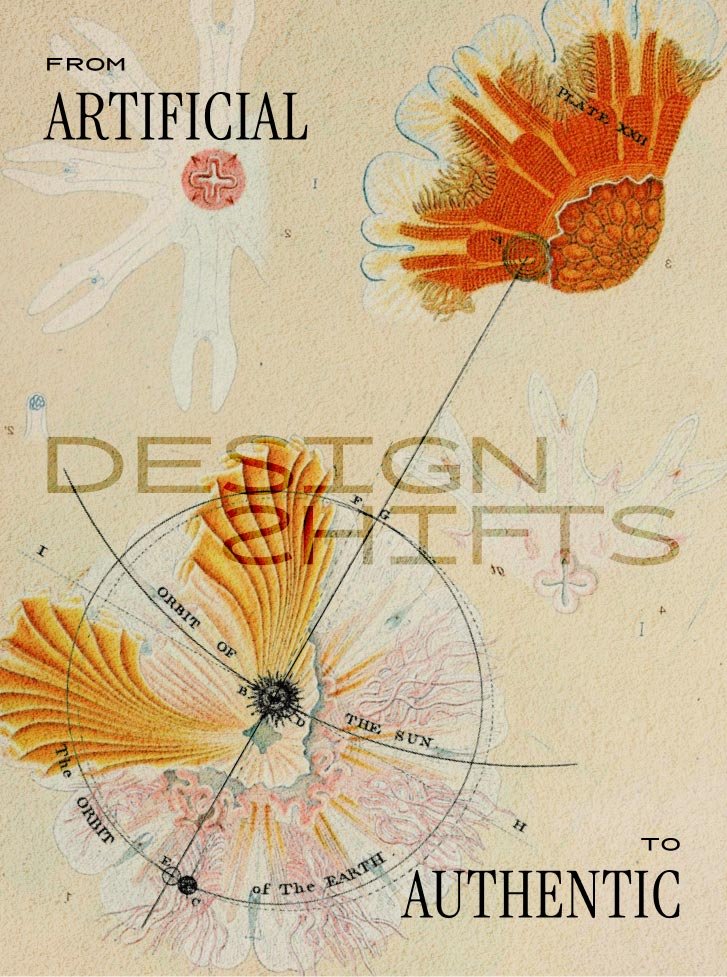
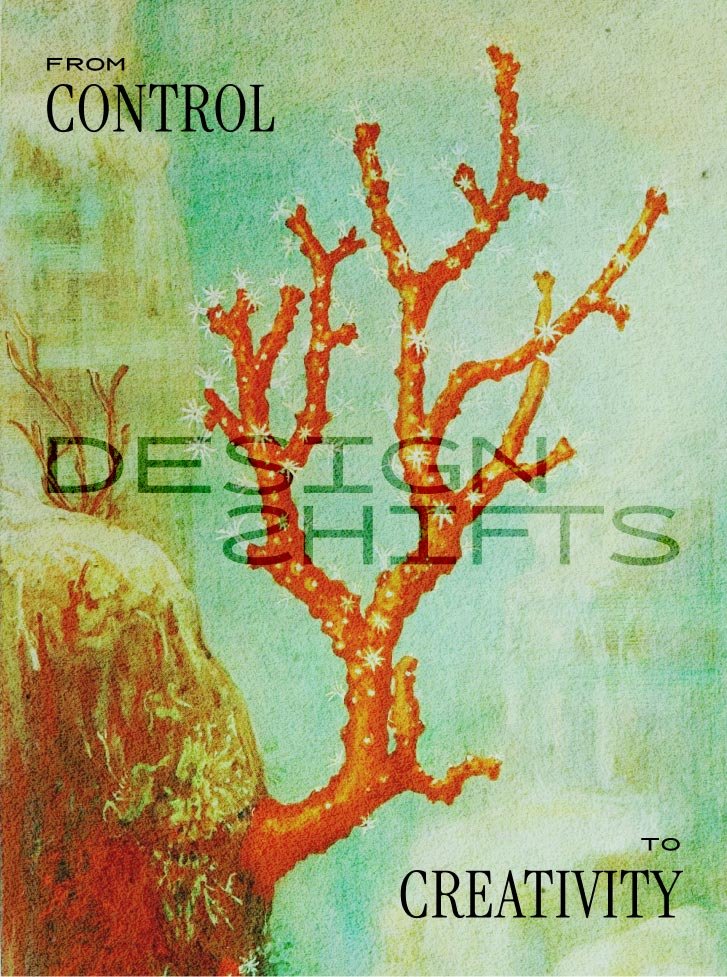

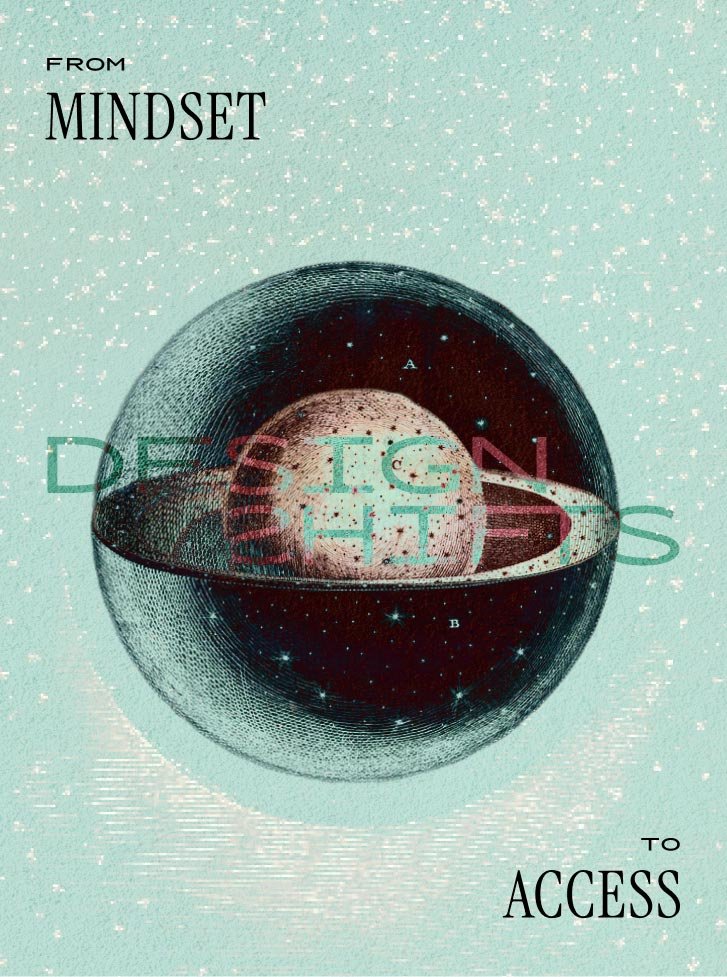
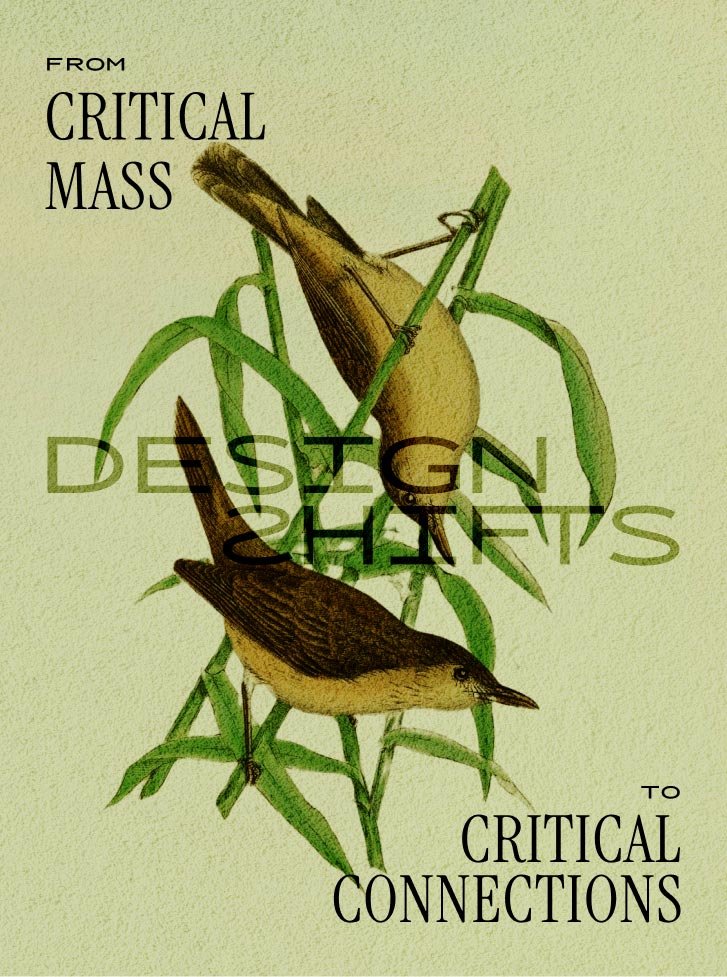
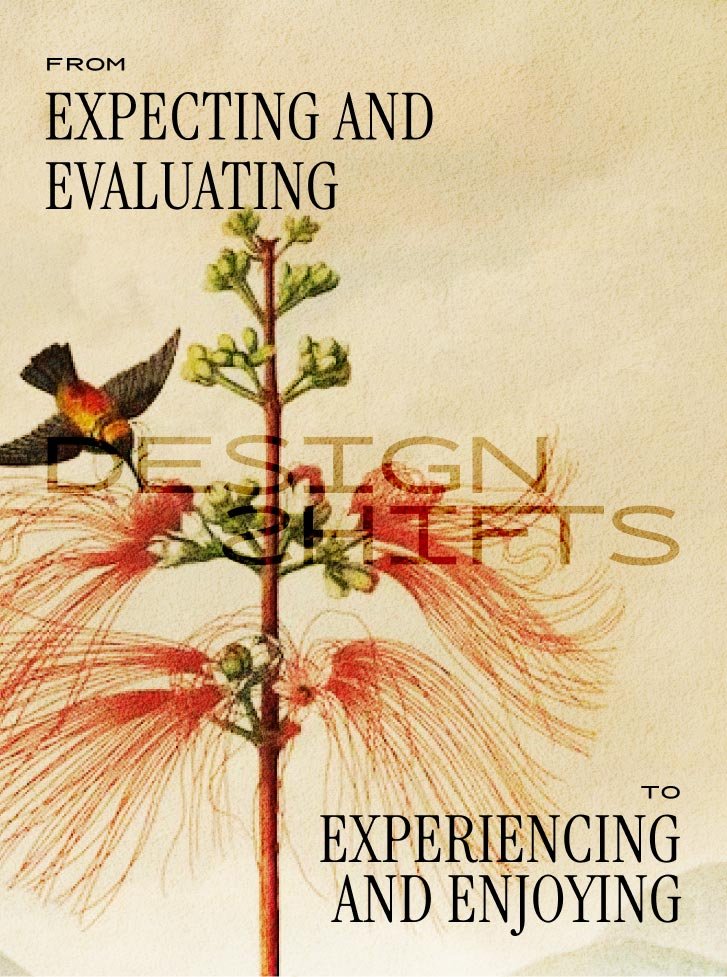
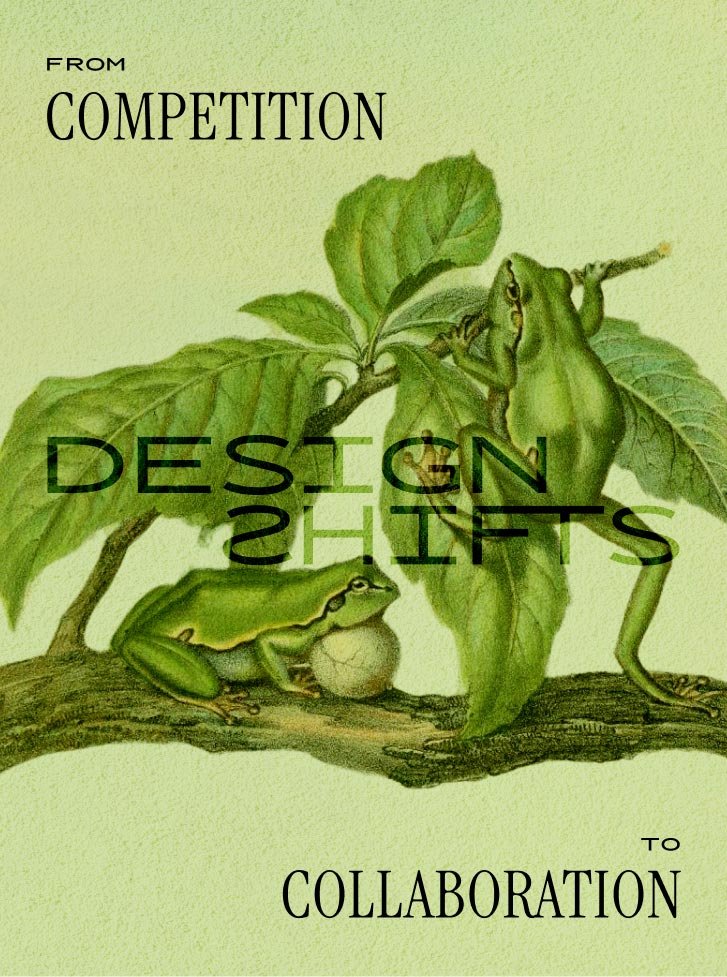
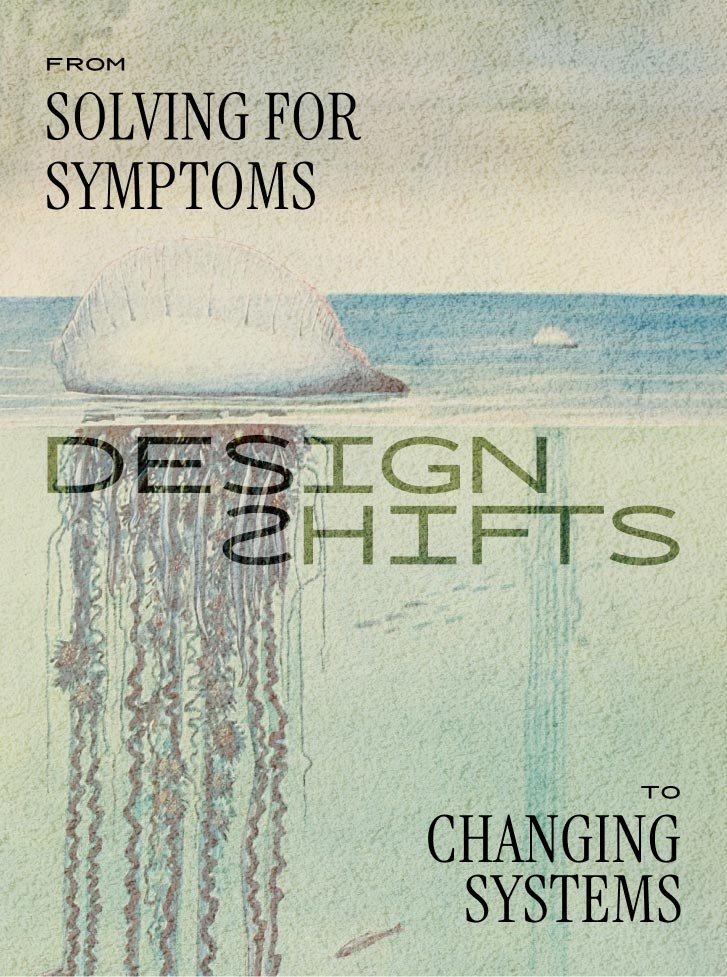
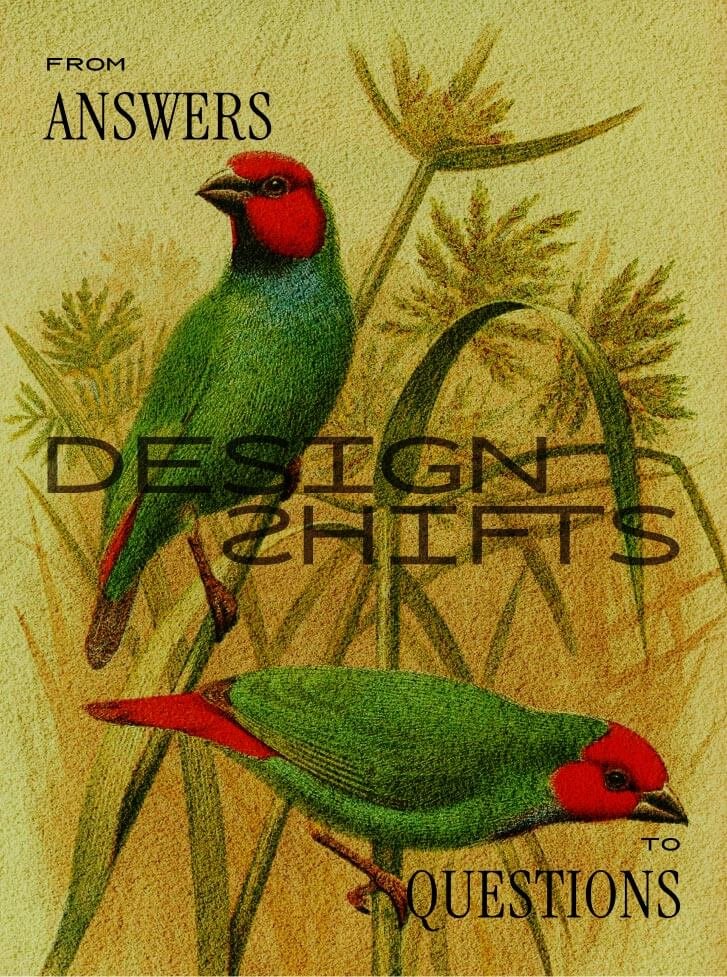
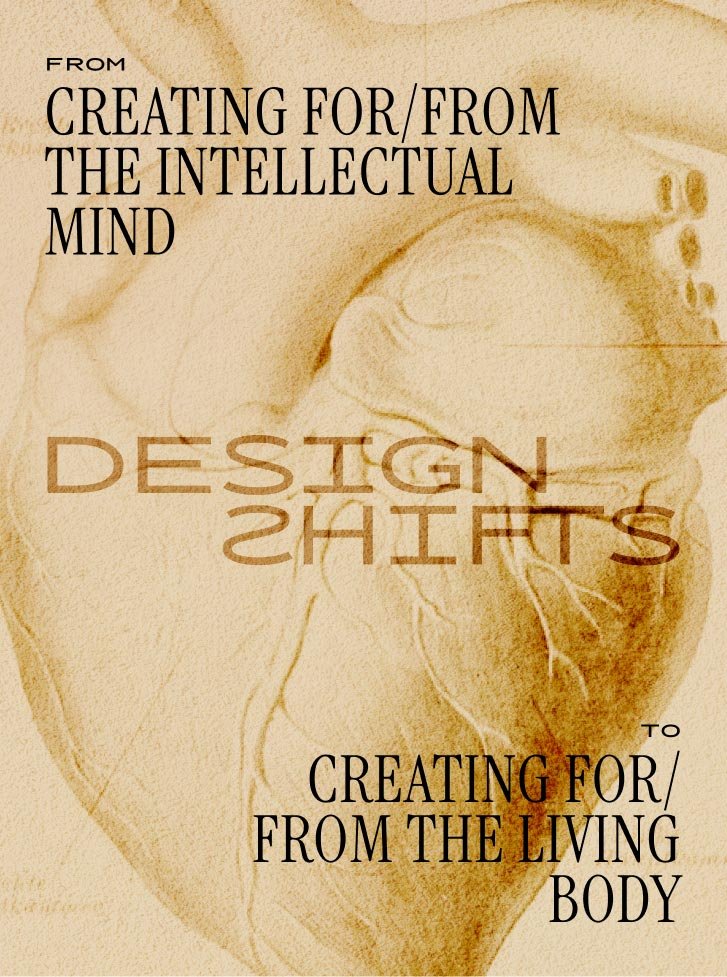
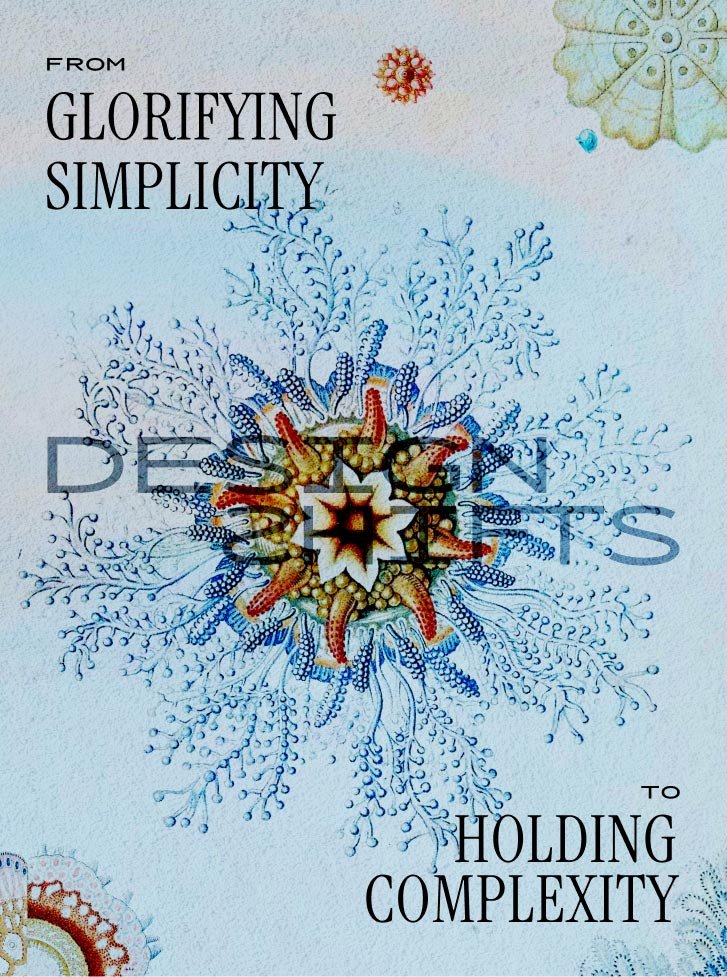
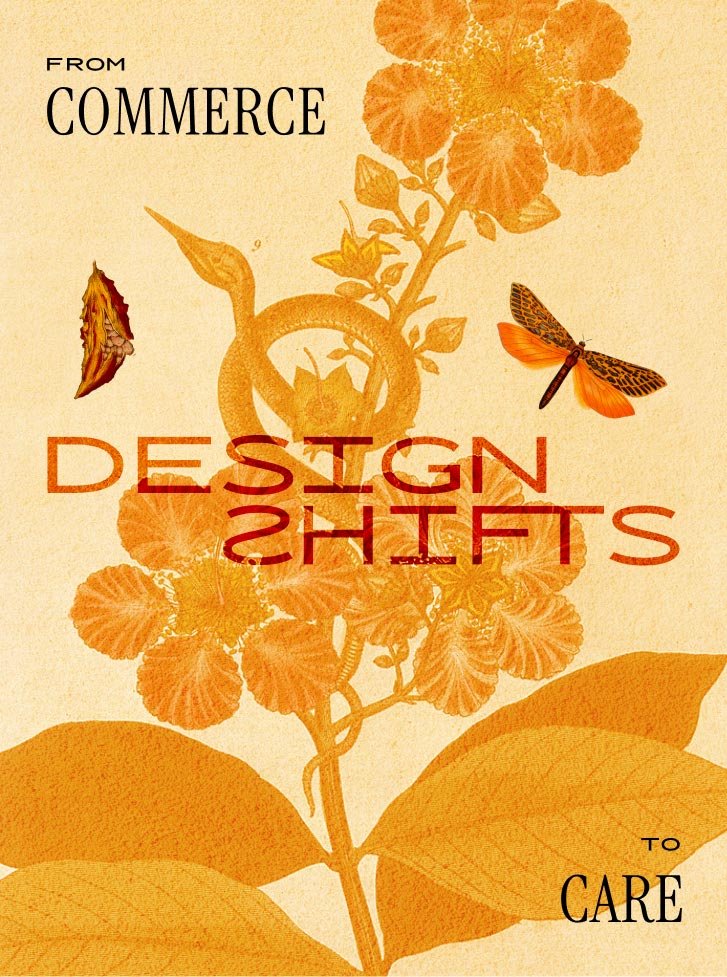

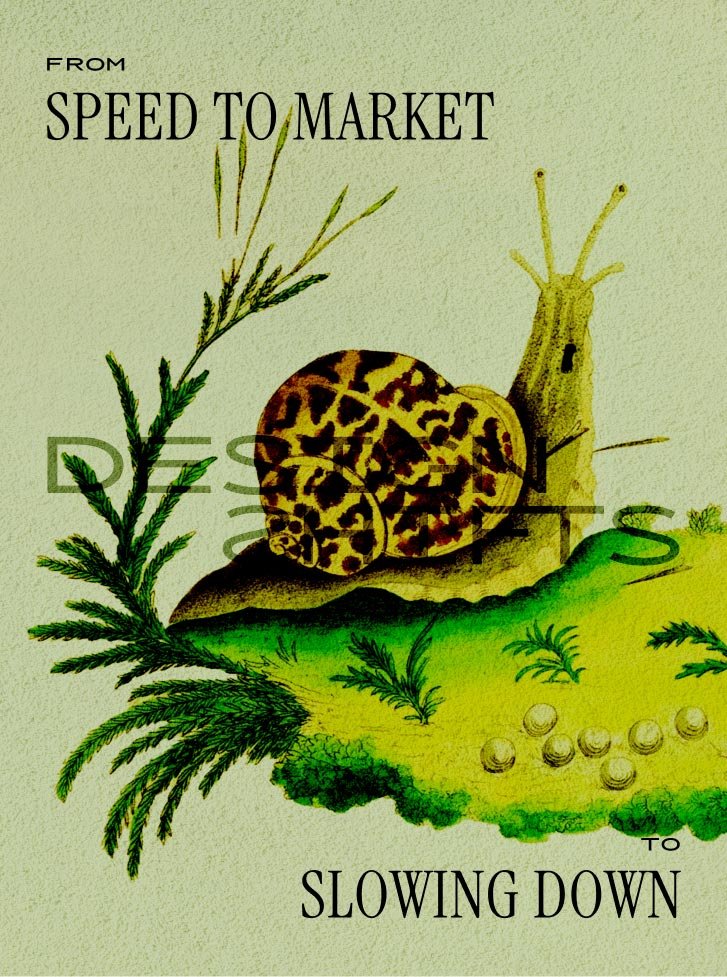
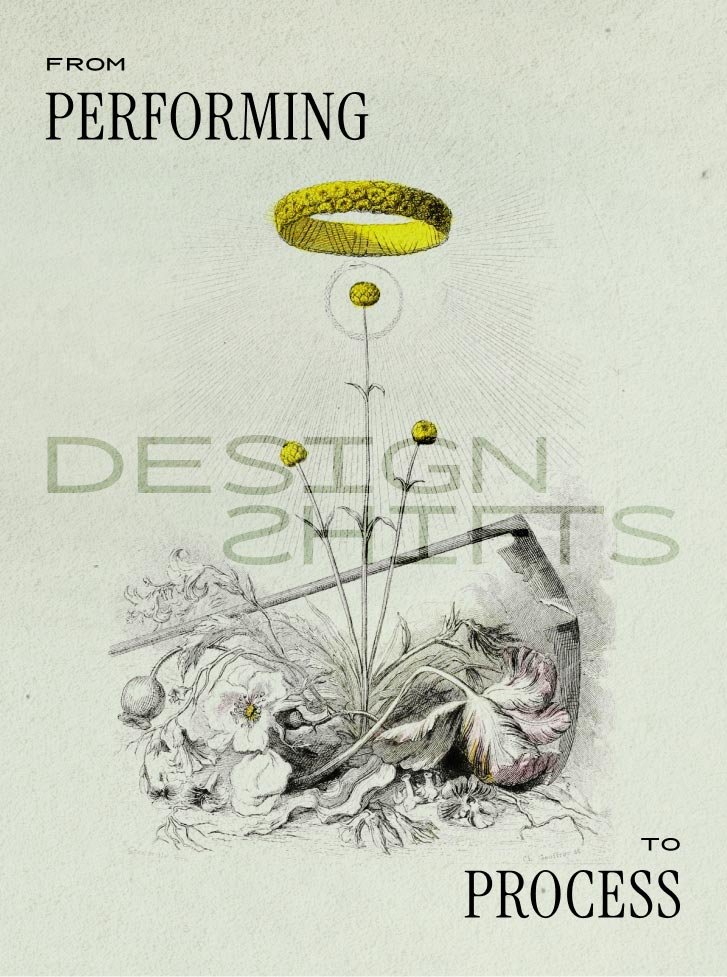

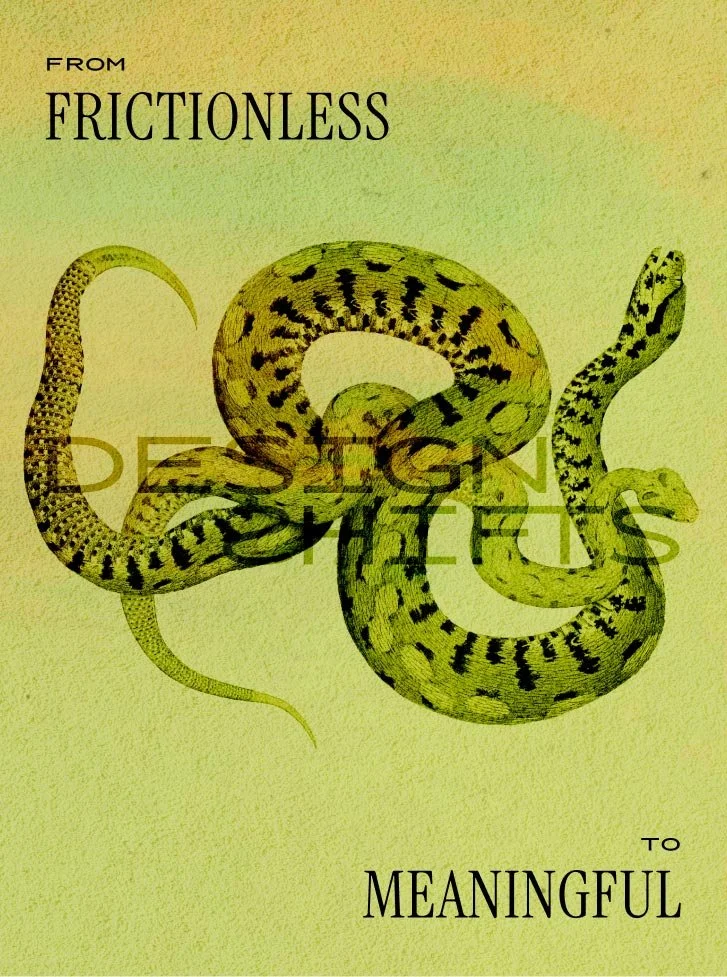



FAQs
-
The project brings together people looking to Shift the way we design products, environments, governments, policies, messages, etc.
We're a global community of designers, researchers, teachers, scientists, and citizens who are tired of business as usual. We're committed to shifting our postures, our power, our perspectives, our practices, and the purpose of design to aid the transition towards a better future.
We're committed to harm reduction within the current system while dreaming and designing beyond its borders. This means working to minimize damage through immediate interventions like making existing services more accessible or policies more equitable, while simultaneously imagining and prototyping entirely new ways of organizing society, work, and care.
We recognize that real change happens when different kinds of people collaborate with each other. Beyond the borders of professional titles, we see that "design" happens on a day-to-day basis by many different kinds of people. From the policies that guide our social structures to the products and services we use daily, from healthcare environments to community organizing efforts, design is everywhere.
I hope we can shift WHO is doing the design as much as HOW design is being done. We're talking about parents designing more nurturing home environments, community organizers designing more effective campaigns, healthcare workers designing better patient experiences, and neighbors designing stronger local networks. Design isn't just happening in studios and boardrooms but wherever people are actively shaping their world.
In Designs for the Pluriverse, Arturo Escobar writes:"Could it be that another design imagination, this time more radical and constructive, is emerging? Might a new breed of designers come to be thought of as transition activists? If this were to be the case, they would have to walk hand in hand with those who are protecting and redefining well-being, life projects, territories, local economies, and communities worldwide."
I hope that these shifts will inspire a world where designers “walk hand in hand with those who are protecting and redefining well-being, life projects, territories, local economies, and communities worldwide”. (Design for the Pluriverse)
I hope this work can inspire and activate people from all fields, corners of the world, and paths of life. We will not shift the future for and through design by staying in our bubbles or echo chambers. This is the work of many, and it requires all of us.
-
DesignShifts is a project that explores a better future for and through design. We explore intentional Shifts that can help us move design from a tool that contributes to division, destruction, and isolation, to a practice that unites, rebuilds, and reconnects us to our inner selves, each other, and nature.
-
The vision is to move design from a tool that contributes to division, destruction, and isolation to a practice that unites, rebuilds, and reconnects us to our inner selves, each other, and nature.
-
No! You don’t need a design title to participate. As a matter of fact, you don’t need a professional title at all. We recognize that real change happens when different kinds of people collaborate with each other and that expertise comes both from work and life experiences.
Beyond the borders of the professional world we can see that “design” is something everyone does on a day-to-day basis and by many different kinds of people. I hope that this piece of work can inspire and activate people beyond design titles. I hope it can create new connections between people from different fields and walks-of-life. I hope that it can Shift WHO is doing the design and how the design is being done.
-
We believe that design plays a big role in shaping our physical and emotional environment. From the products we make, the messages we put out there, and the spaces we craft, design has the power to affect change. Through design we can understand and access situations, create narratives for a better future, and create actionable steps to move forward. Design has the potential to be part of creating a better tomorrow.In the article: The Power of Lo-TEK: A Design Movement to Rebuild Understanding of Indigenous Philosophy and Vernacular Architecture Julia Watson writes: “With environmental and societal collapse imminent in the coming decades, design at the intersection of anthropology, ecology, and innovation is the most pressing discussion of our time.” Design, with its problem solving, imaginative and action oriented abilities can aid the transition towards something better.
-
The project was started by me, Ida Persson, in a moment of personal transition. I was looking to Shift my personal career away from serving corporate growth towards serving communities and planetary florushing. I wanted to create a space where practitioners could develop mindsets and methods that could Shift the current state of design in order to aid the transition towards a better tomorrow. The project is in a constant state of evolution. I hope that the perspectives, processes, powers, postures, and purpose of design will be shaped together as a collective. Once the shifts have moved from abstract concept into lived practices, DesignShifts as a project will dissolve.
-
As we find ourselves in the interrelated crises of climate, food, energy, poverty, and meaning it is important to recognize how the systems, products, and environments that are causing harm today are not broken. They are working as they were designed.. If we want to aid the transition towards a better tomorrow, we must be willing to rethink and redesign our perspectives, processes, and purpose. The time is now because tomorrow it will be too late.
Let’s shift together
I, Ida Persson, started DesignShifts as a Linkedin content series. However, Shifting is a collective effort. I would love to connect with people who are also exploring the future for and through design. Is that you? Reach out.